At "Centrum Eurokontakt", we know perfectly well that deciding on senior care in Germany is a step full of hope, but also apprehension, for many families. Families are looking not only for someone to take care of their loved ones' basic needs, but above all, for a person who will bring warmth, support, and a sense of security into their lives. This article aims to dispel any doubts and present a comprehensive picture of the duties of a caregiver in Germany, going beyond a dry list of tasks, focusing on what truly matters to the senior and their family. We want to show that caregiver work in Germany is a mission where heart and professionalism count.
More than duties – the role of a life companion
Often, on websites or in job advertisements for caregivers, there are lists that enumerate specific tasks: assistance with hygiene, meal preparation, shopping. This is, of course, the foundation and key elements of home senior care. However, for a family entrusting their loved one to a caregiver, the ability to build relationships, empathy, and the capacity to be a true companion are equally, often even more, important. Senior support is not only physical assistance but also caring for their psychological and social well-being.
A holistic approach to care – what does it mean in practice?
Holistic senior care in Germany is an approach that considers all aspects of the care recipient's life: physical, emotional, social, and spiritual.
- Recognizing individuality: Every senior is different, with their own habits, preferences, and life story. A good caregiver can learn and respect them.
- Creating a supportive routine: Instead of imposing, helping to build a day that is comfortable and safe, yet stimulating.
- Physical and mental activity: Encouraging walks, reading together, board games – these are all elements that significantly impact a senior's quality of life.
Specific duties of a caregiver in Germany – a list and its interpretation
Let's move on to specifics, remembering that each of these activities has not only a practical but also an emotional dimension. The family expects these tasks to be performed with care and commitment.
1. Assistance with daily hygiene and personal activities (ADL – Activities of Daily Living)
This is a fundamental part of the caregiver's role. It includes:
- Bathing/Showering: Ensuring safety and comfort, respecting the care recipient's intimacy.
- Dressing: Helping to choose clothing that is comfortable and appropriate for the weather.
- Toileting: Assisting with toilet use, changing adult diapers.
- Oral and hair hygiene: Ensuring aesthetics and health.
- Assistance with standing, sitting, walking: Fall prevention is a key element of safe care.
The family expects the caregiver to approach these tasks with gentleness, respect for the senior's dignity, and professionalism, minimizing any feelings of embarrassment.
2. Household management
A clean and tidy environment has a huge impact on a senior's well-being.
- Meal preparation: Adjusting the diet to the senior's needs (e.g., diabetes, chewing problems), ensuring balanced and tasty meals. Seniors often appreciate when a caregiver can prepare traditional, homemade dishes.
- Shopping: Planning purchases, ensuring fresh products, considering the senior's preferences.
- Cleaning: Maintaining order in the apartment, washing, ironing. It's important that the environment is hygienic and free from potential hazards (e.g., slippery floors, cluttered pathways).
- Small tasks: Taking out the trash, watering plants.
These caregiver duties in Germany form the backdrop for all care, creating comfortable living conditions.
3. Assistance with mobility and activities
Preventing isolation and maintaining activity are key to good mental and physical condition.
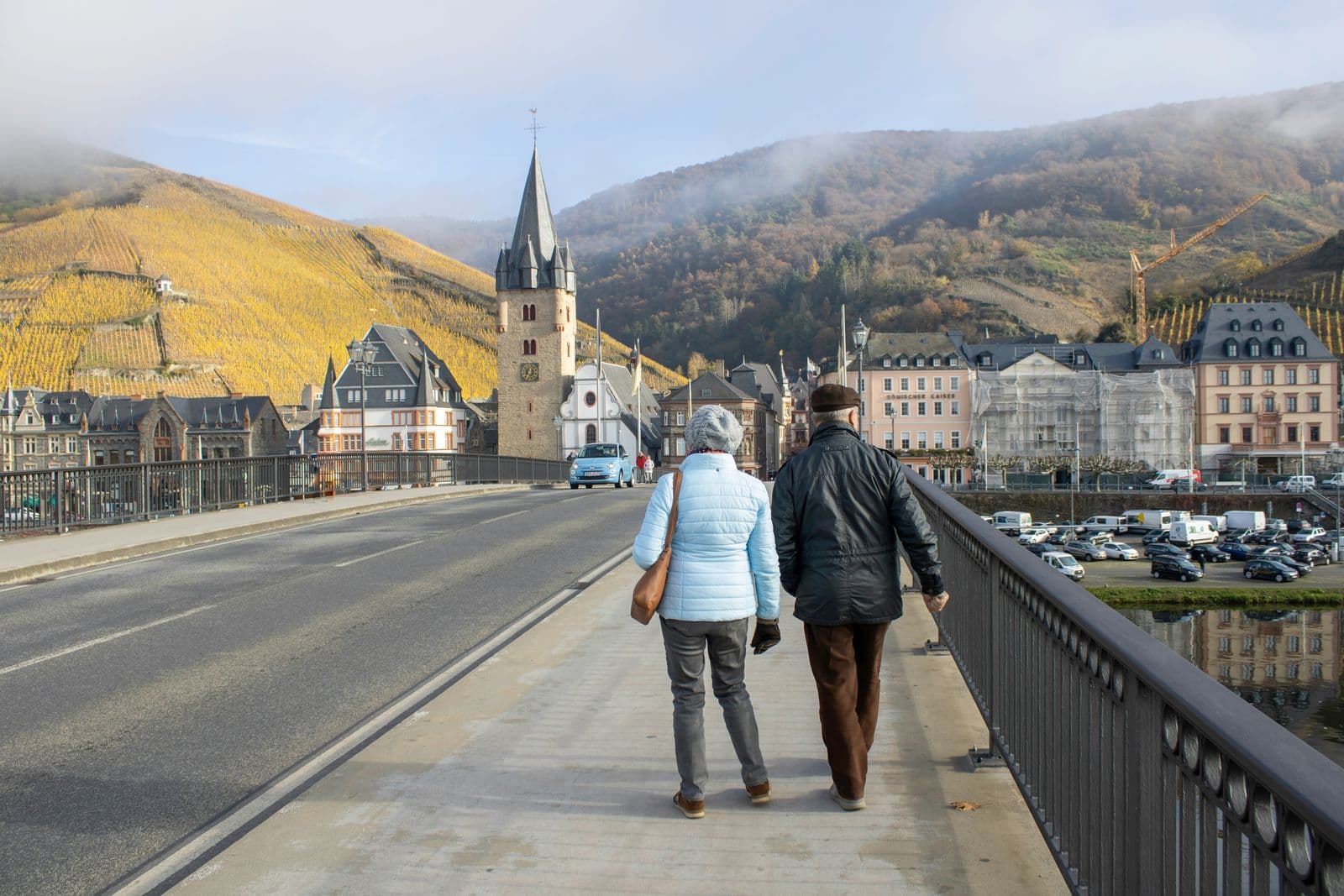
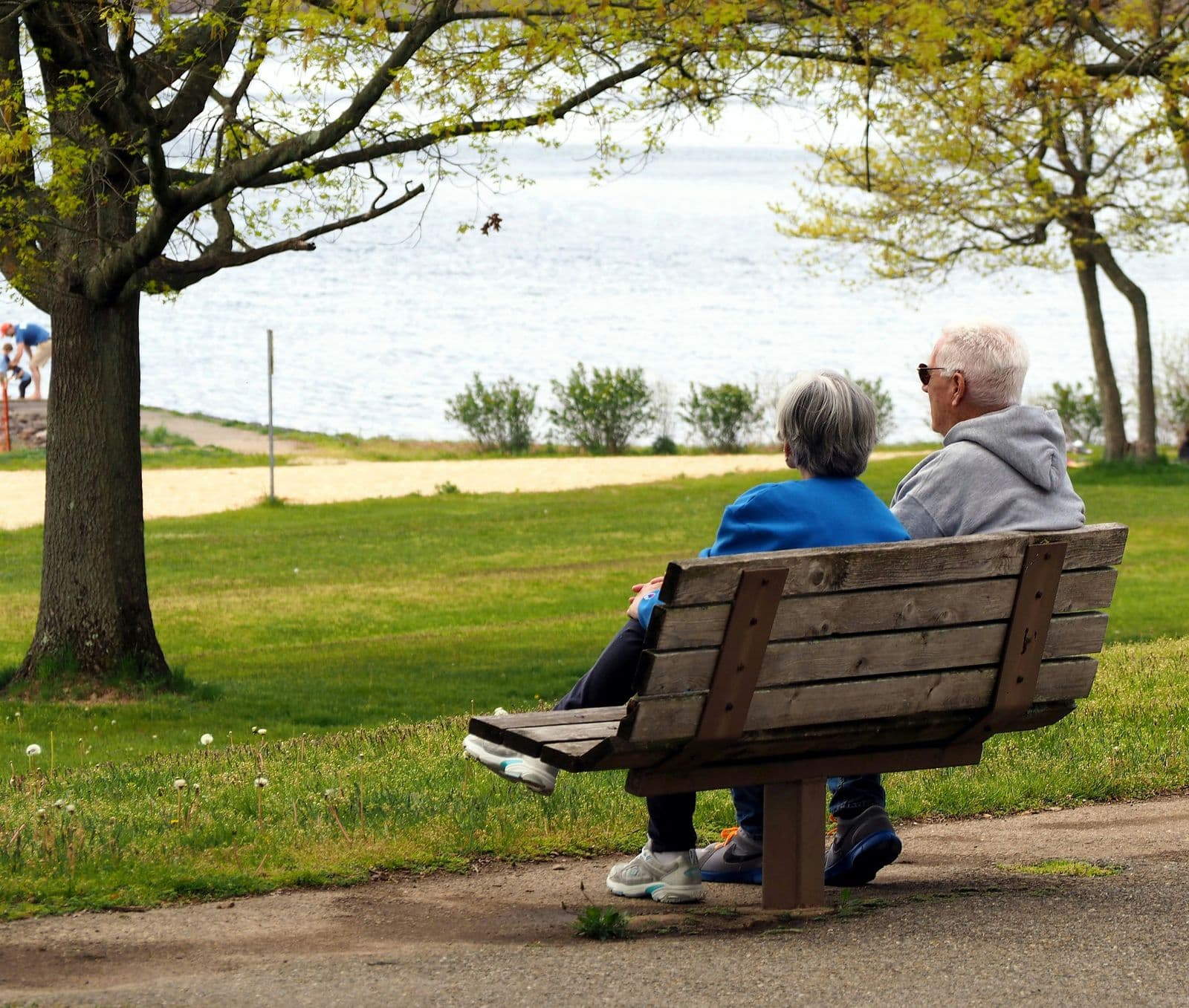
- Walks: If the senior's health permits, regular, short walks are extremely valuable.
- Doctor's visits/therapies: Accompanying the senior, ensuring punctuality.
- Social activities: Helping to maintain contact with friends, participating in local activities (if the senior wishes and is able).
- Providing entertainment: Reading, games, conversations, watching TV together.
Families often emphasize how important it is for the caregiver to actively engage the senior in life, not just perform basic tasks.
4. Medication management and health monitoring
- Medication reminders: Strictly adhering to medical recommendations, assisting with dosage.
- Health monitoring: Observing changes in behavior, appetite, energy levels, reporting any worrying symptoms to the family or doctor.
- Record keeping: In some cases (by agreement with the family), noting important health information.
Proper medication management is one of the requirements for a caregiver in Germany that demands responsibility and accuracy.
5. Communication and emotional support
This is an element that often determines the success of care.
- Talking and listening: Being present, actively listening to the senior, their stories, concerns.
- Support in difficult moments: Comforting, understanding, empathy.
- Regular contact with family: Informing about the senior's well-being, sharing observations, solving problems together.
- Knowledge of the German language: Is absolutely crucial not only for communication with the senior but also with doctors, family, and in daily life (shopping, official matters). This is comprehensive care in its fullest sense.
Families expect the caregiver to be their "eyes and ears" on site, as well as a source of comfort and joy for their loved one.
What else does a senior's family expect – beyond the list of tasks?
Beyond the specific caregiver duties in Germany, families especially value:
- Empathy and Patience: Understanding that the senior may be slower, have a bad day, or be confused.
- Respect: For the senior, their dignity, their past, and their home.
- Initiative and Commitment: A caregiver who independently recognizes needs, suggests activities, pays attention to details.
- Honesty and Responsibility: Trust is the foundation of this relationship.
- Positive attitude: A smile and optimism can work wonders.
- Ability to cope with stress: Difficult situations are inevitable; the ability to remain calm and professional is important.
At "Centrum Eurokontakt", we understand these subtle but extremely important requirements for a caregiver in Germany. That's why we focus on thorough recruitment and preparation of our employees, so that every senior care in Germany is a source of satisfaction for both parties. We help caregivers acquire the necessary qualifications and match them with families seeking the highest level of support.
Summary
The role of a caregiver in Germany is much more than a set of tasks. It is about creating a safe, warm, and supportive environment that allows seniors to maintain their dignity and enjoy every day. This is comprehensive care that requires empathy, patience, and genuine commitment. At "Centrum Eurokontakt", we believe that our caregivers are individuals with big hearts, ready to meet these demands, offering professionalism and human warmth. We are proud to connect families with such valuable individuals, ensuring safe care and peace of mind.
FAQ
What range of caregiver duties in Germany is typical in most families?
The typical range of duties includes assistance with the senior's personal hygiene, meal preparation, household management (cleaning, laundry, shopping), as well as accompanying them in daily activities and emotional support. Everything depends on the individual needs of the care recipient and their degree of independence, which are discussed in detail before starting work.
Is knowledge of the German language really crucial for caregiver work in Germany?
Yes, fluent knowledge of the German language is absolutely crucial. It enables free communication with the senior, their family, doctors, and the environment, which is the foundation of effective and safe care. It also allows for faster adaptation to the new environment and building deeper relationships.
What "soft" skills are most valued by families seeking home senior care?
Families most value empathy, patience, respect for the senior and their privacy, as well as initiative and a positive attitude. The ability to actively listen and build trust, which translate into the care recipient's comfort and well-being, is also crucial.
How does "Centrum Eurokontakt" support caregivers in meeting the requirements for a caregiver in Germany?
"Centrum Eurokontakt" provides comprehensive support, from recruitment and skills verification, through preparation for departure, to on-site work support. We ensure that our caregivers are well-matched to the family's needs, have access to training, and coordinator support, which allows them to provide comprehensive care at the highest level.
Does senior care in Germany involve performing medical procedures?
Typically, caregiver duties in Germany do not include complex medical procedures such as injections or specialized treatments. However, a caregiver may assist with administering medication according to doctor's orders, measuring blood pressure or blood sugar levels, and observing and reporting changes in the senior's health.